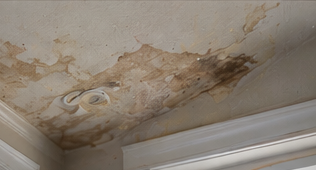
Hidden Defects and Inspection Problems
Serious problems found after purchase. We help homeowners pursue the recovery they should have received upfront.
Burnside Law Group helps homeowners who discover serious problems after buying a home and need a careful read on whether the available facts point toward hidden problems, incomplete disclosures, or inspection mistakes.
Problems that were not visible or understood during the purchase.
Facts that may not have been disclosed or accurately framed.
Inspection misses involving costly structural or moisture issues.
The practical question is whether the owner inherited major loss after relying on facts that should have been different.
No fee unless money is recovered for you.
For accepted property recovery matters, Burnside Law Group works on contingency. In plain English, there is no attorney fee unless money is recovered for you.
The fee arrangement is explained in a written agreement before representation begins.
Not every unpleasant post-closing surprise is a viable claim.
Not every unpleasant surprise after closing is a viable claim.
The practical question is whether the available facts point to something more than ordinary wear, deferred maintenance, or a disappointing purchase.
That is why these matters are document-heavy and fact-sensitive from the start.
The factual questions that usually drive the review.
A useful review usually depends on the available record, what the buyer was told, and how serious the repair problem now appears to be.
What was known
A practical review often starts with whether there are facts suggesting the condition was already known before closing.
What was disclosed
Disclosures, statements, repair histories, and transaction documents can help show what the buyer was told and how the condition was framed.
What should have been found
Some issues turn on whether the condition should have been identified during the purchase process rather than remaining hidden until later.
What the inspection reported
The inspection report, related notes, and the scope of the inspection all matter when the issue may involve an inspection miss.
What documents exist
Photos, estimates, disclosures, inspection materials, repair invoices, seller communications, and other records can all shape the evaluation.
How serious the repair cost is
The larger the repair cost, the more important it becomes to sort out whether the situation is simply an expensive surprise or something that may justify review.
Two practical reads for post-purchase defect problems
Hidden defects after closing: what owners should do first
A practical read on organizing the facts, documents, and repair picture after a serious defect surfaces.
When a home inspection miss may be more than a bad surprise
Useful when expensive problems appear after purchase and the inspection report may not have captured them.
If the defect involves construction or failed repair
Some post-closing problems also raise construction defect or builder-accountability questions.
If insurance is part of the repair path
Hidden defects can create insurance questions when claim scope or payment begins shaping repairs.
Do not let the other side’s number become the baseline.
If the repair cost, insurance payment, or proposed fix does not match the real cost to fix the property, send the facts in for review. For accepted matters, Burnside Law Group works on contingency.